We often think of our bodies as machines—collections of parts that break and need fixing. Eastern philosophy views the body differently: as a Landscape.
Flowing through this landscape is an invisible current known as Qi (气). Often translated as "vital energy," Qi is the dynamic force that animates all living things. It connects us to the universe, governing our physical vitality and emotional balance.
Understanding Qi is not just academic; it is the first step toward cultivating inner harmony.



1. The "Weather Report" of Your Emotions
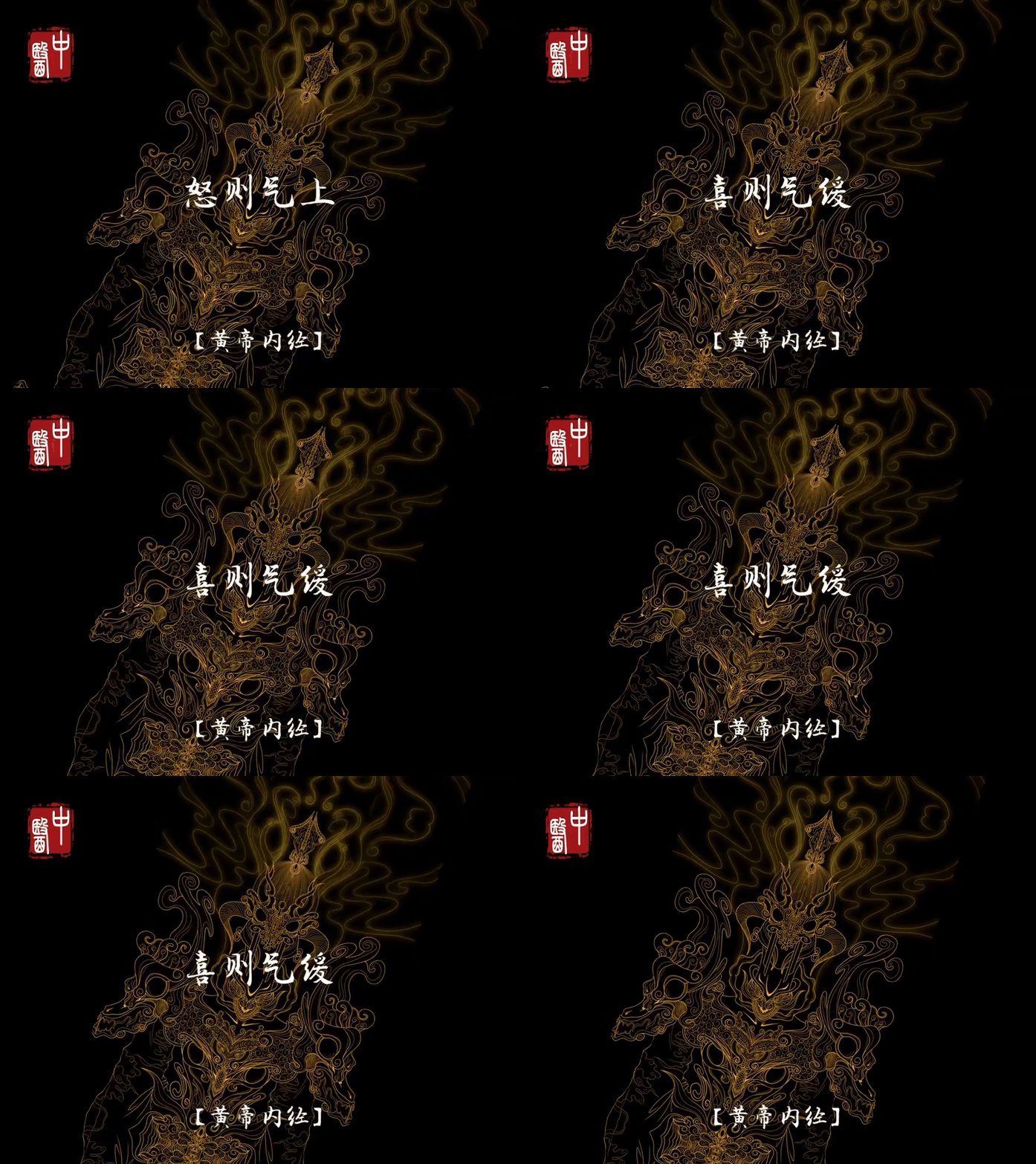
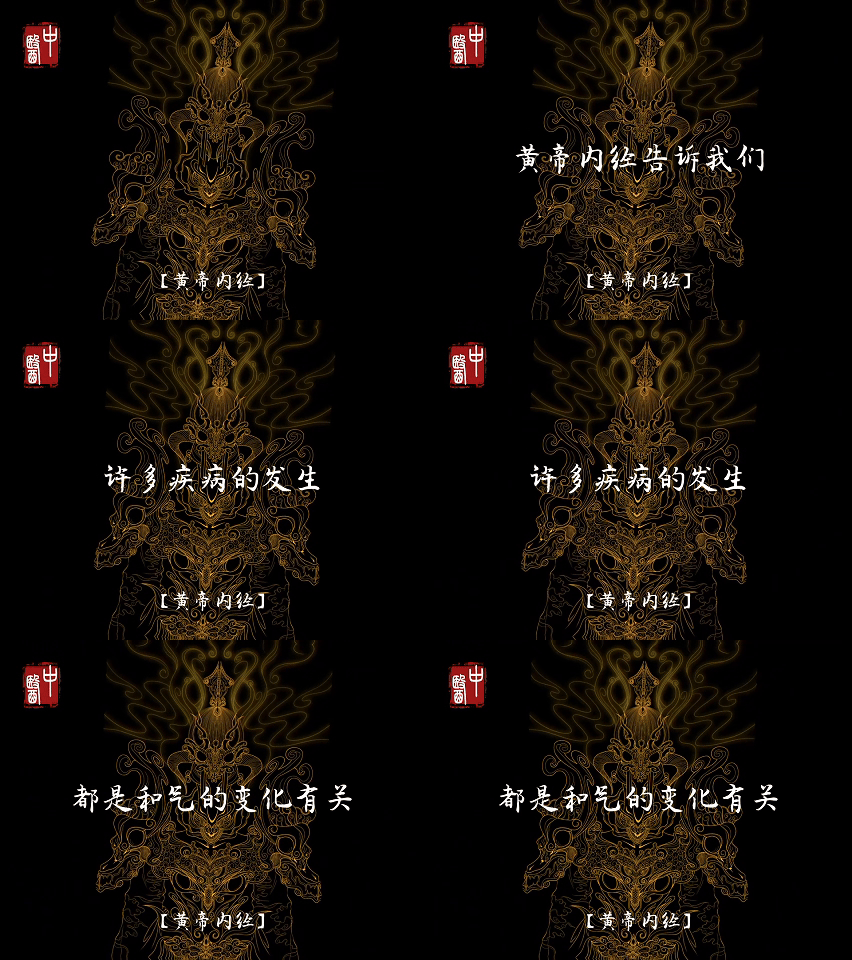
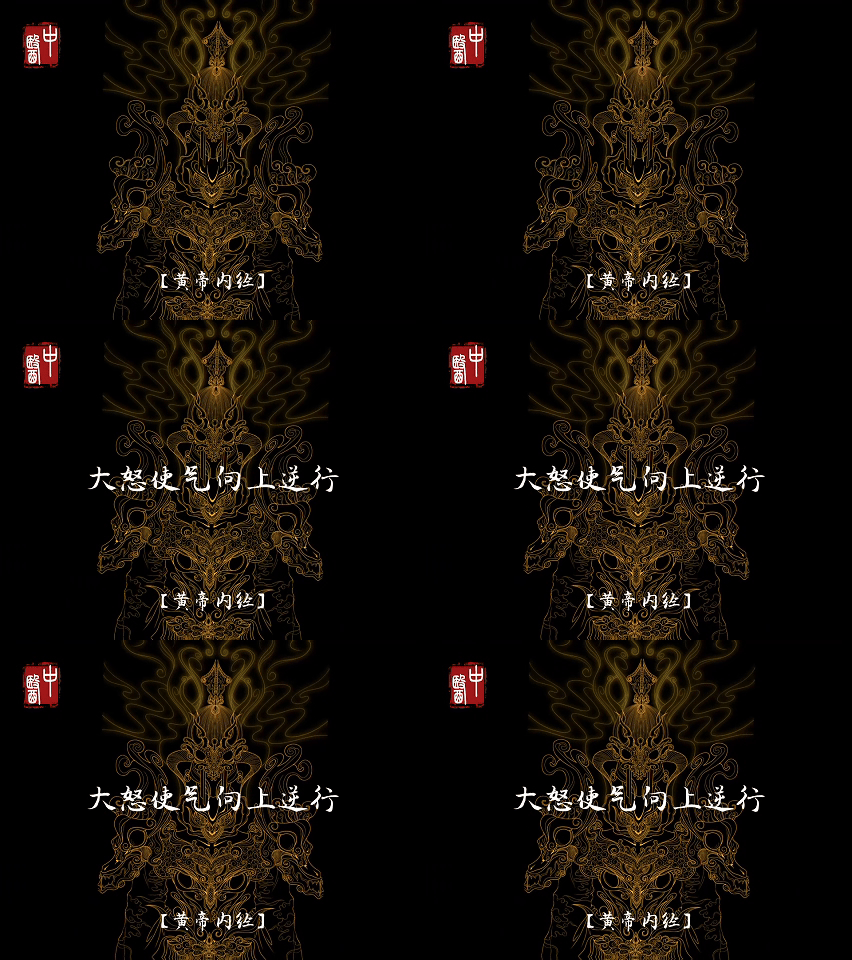
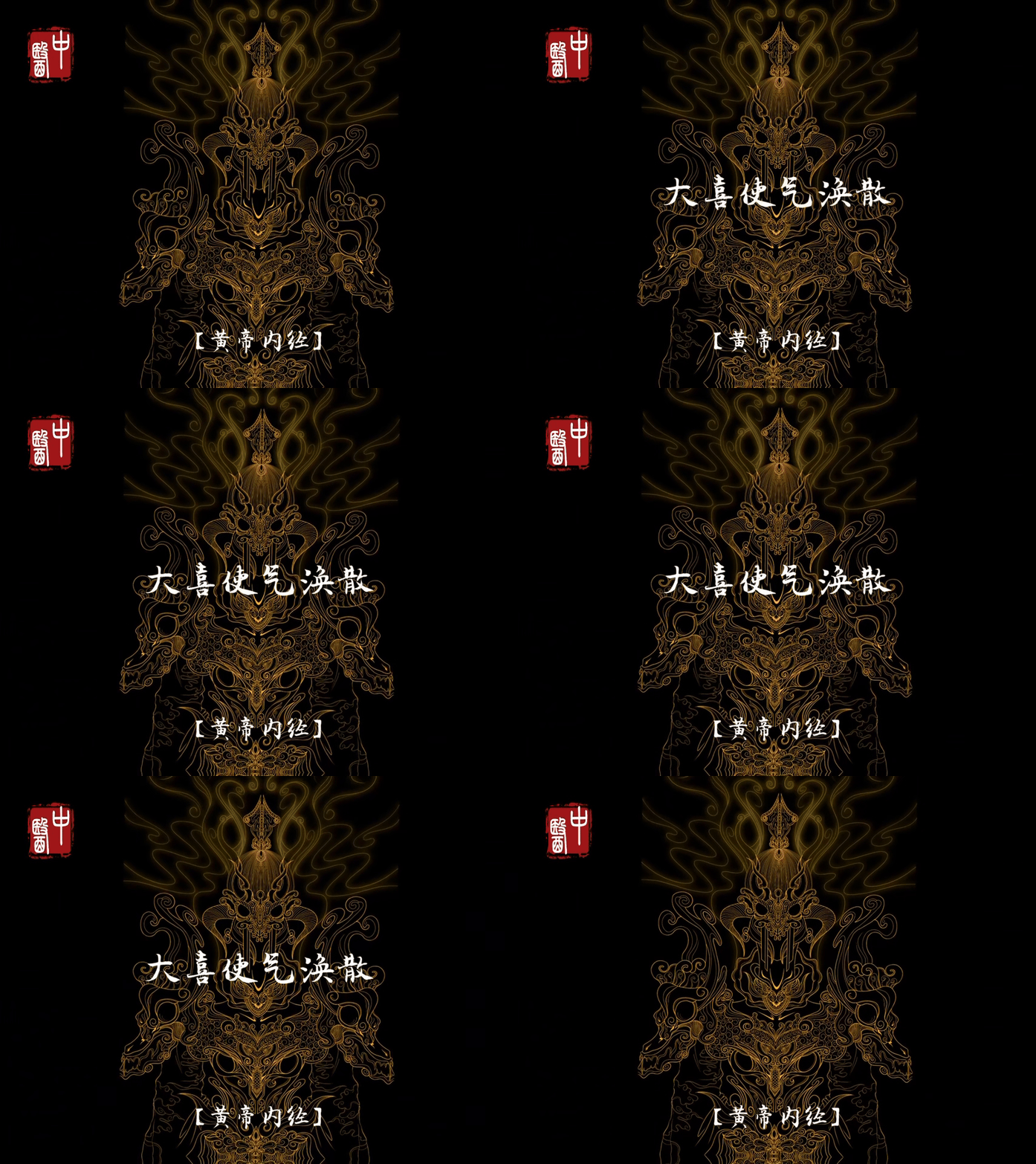
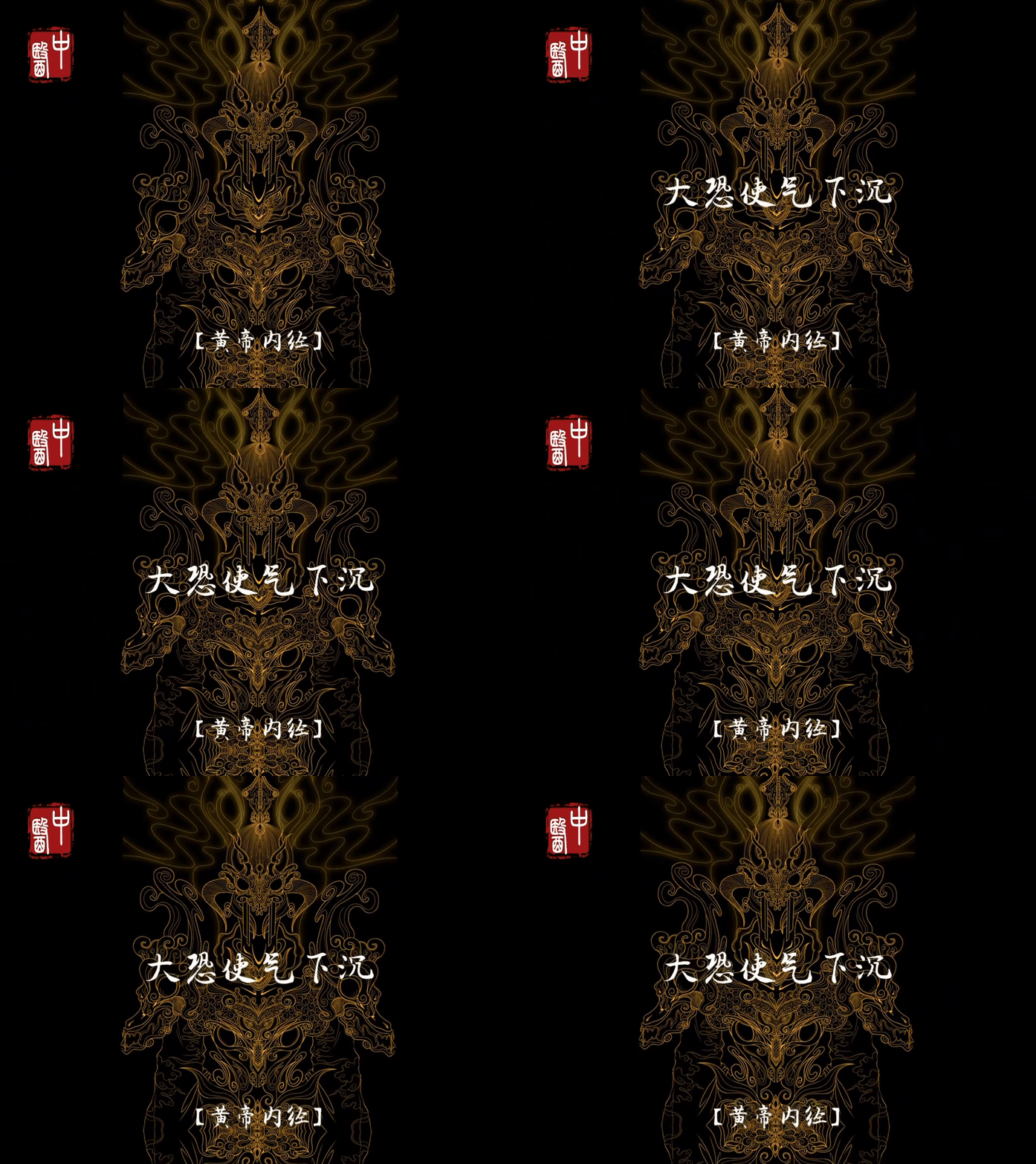
The ancient text Huangdi Neijing (The Yellow Emperor's Inner Canon) mapped out how our emotions physically change the direction of this energy flow. It doesn't view emotions as "good" or "bad," but as Movements of Energy.
-
Anger (The Surge): Qi rises aggressively. This is why we feel heat in the face or tension in the shoulders.
-
Great Joy (The Scatter): Qi disperses. While pleasant, excessive excitement can leave us feeling ungrounded or scattered.
-
Fear (The Drop): Qi sinks. This manifests as that "sinking feeling" in your stomach or a sudden lack of grounding.
-
Worry/Overthinking (The Knot): Qi stagnates. It feels like a blockage, where energy refuses to move, leading to a sense of being "stuck."
We all experience these shifts. The goal of Yǎngshēng (Nourishing Life) is not to suppress emotions, but to restore the smooth flow after the storm passes.
2. The Internal Geography: Meridians and Balance
In this philosophy, Qi flows through invisible pathways called Meridians (Jīng Luò). Think of them not as nerves, but as Rivers.
-
The Flow: When the river flows smoothly, the landscape is lush (you feel vibrant and clear).
-
The Stagnation: When the flow is obstructed—by stress, environment, or diet—the water stagnates. This is the root of disharmony.
This flow is governed by the dance of Yin and Yang:
-
Yang: The active, warming, expanding energy.
-
Yin: The passive, cooling, nourishing energy. Harmony is the dynamic equilibrium between the two.
3. HYLEA: The Tool for Harmonization
How does a bracelet influence this invisible river? Through the principle of "Symbiotic Circulation" (Xúnhuán).
-
The Activation (Yang): Your body heat (your Yang Qi) warms the beads.
-
The Release (Yin): The beads release the aroma of natural botanicals. In Eastern thought, scent is a form of "Air Qi."
-
The Harmony: This aromatic essence enters through "Olfactory Awakening," helping to settle the turbulent energy (like cooling the heat of anger or lifting the sinking of fear).
Important: This is not a medical treatment; it is an Energetic Alignment. It transforms your aura, shaping what we call "Temperament": a state of elegance, restraint, and harmonious coexistence with nature.
4. The Ritual: Pán Wán as a Disciplined Practice
The connection is deepened through Pán Wán (Tactile Meditation). The friction of handling the beads does two things:
-
Physically: It polishes the beads, creating Bāo Jiāng (The Living Patina)—a visual layer of time and beauty.
-
Energetically: The repetitive motion induces a state of calm, allowing the herbal fragrance to guide you back to the center.
You are not just wearing a scent; you are navigating your inner river.